01Confirm the booking details
Check both addresses, the agreed time, contact phone, floors, lift access and entry arrangements. If the box count has increased, large items were added or there are unexpected stairs, report the change before the van arrives.
02Check your boxes before the final day
Choose boxes for their contents rather than filling the largest ones available. Smaller boxes suit dense items such as books; reserve larger ones for lightweight textiles. Follow the load rating and assembly instructions for the particular box. A box rating is not a recommended lifting weight for one person: grip, stairs and the person carrying it also matter. Inspect reused boxes inside and underneath. Replace damp, greasy, torn or distorted cartons. Free boxes still need to be clean and sound; extra tape cannot restore damaged cardboard. Obtain packaging in advance so the day before the move is left for checking and finishing.
03Make a simple inventory of packed items
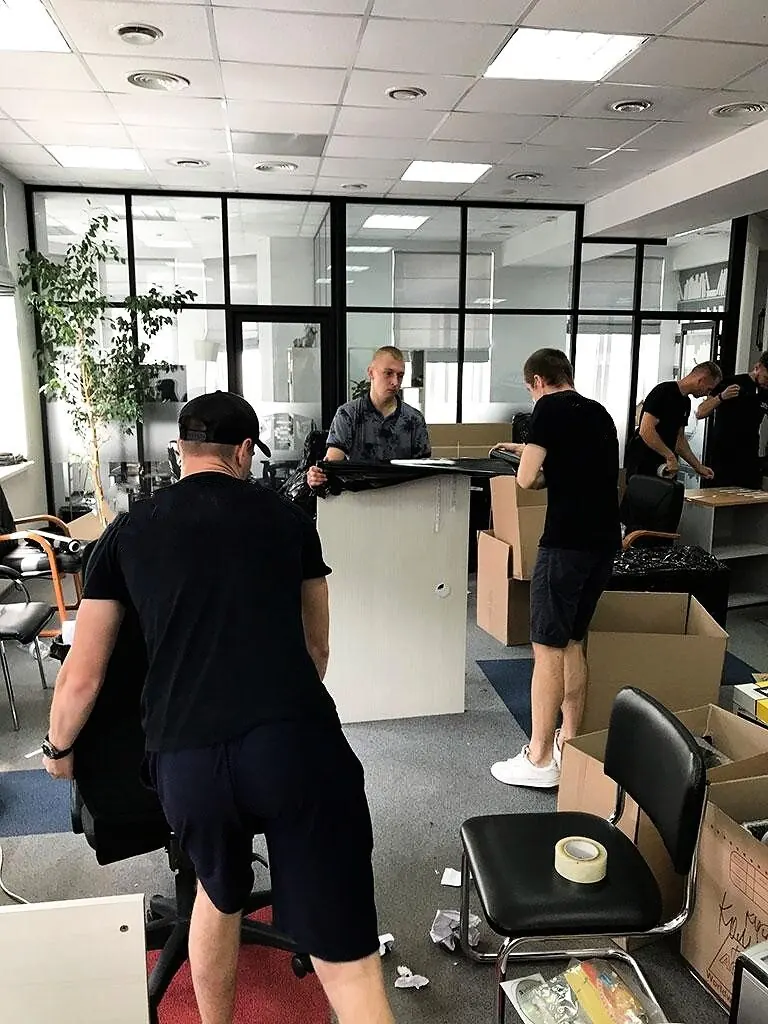
Assemble and close boxes as their design requires. Protect fragile pieces individually and fill gaps to prevent movement; lids should close without compressing the contents. Write the destination room and a number on the top and side, such as KITCHEN 03. Keep a separate list of contents, fragile items and any handling needs. Send the carrier the box count, approximate sizes and photos alongside the furniture inventory. Room count alone cannot replace this information, and there is no reliable universal number of boxes per home. If you still need packaging or packing assistance, check arrangements beforehand; supplying them is not automatically included in transport.
04Finish packing and label every box
Close each box and mark its destination room. Clearly identify fragile or heavy boxes and avoid packing them beyond a safe lifting weight. Loose small items can significantly slow down loading.
05Prepare furniture and appliances
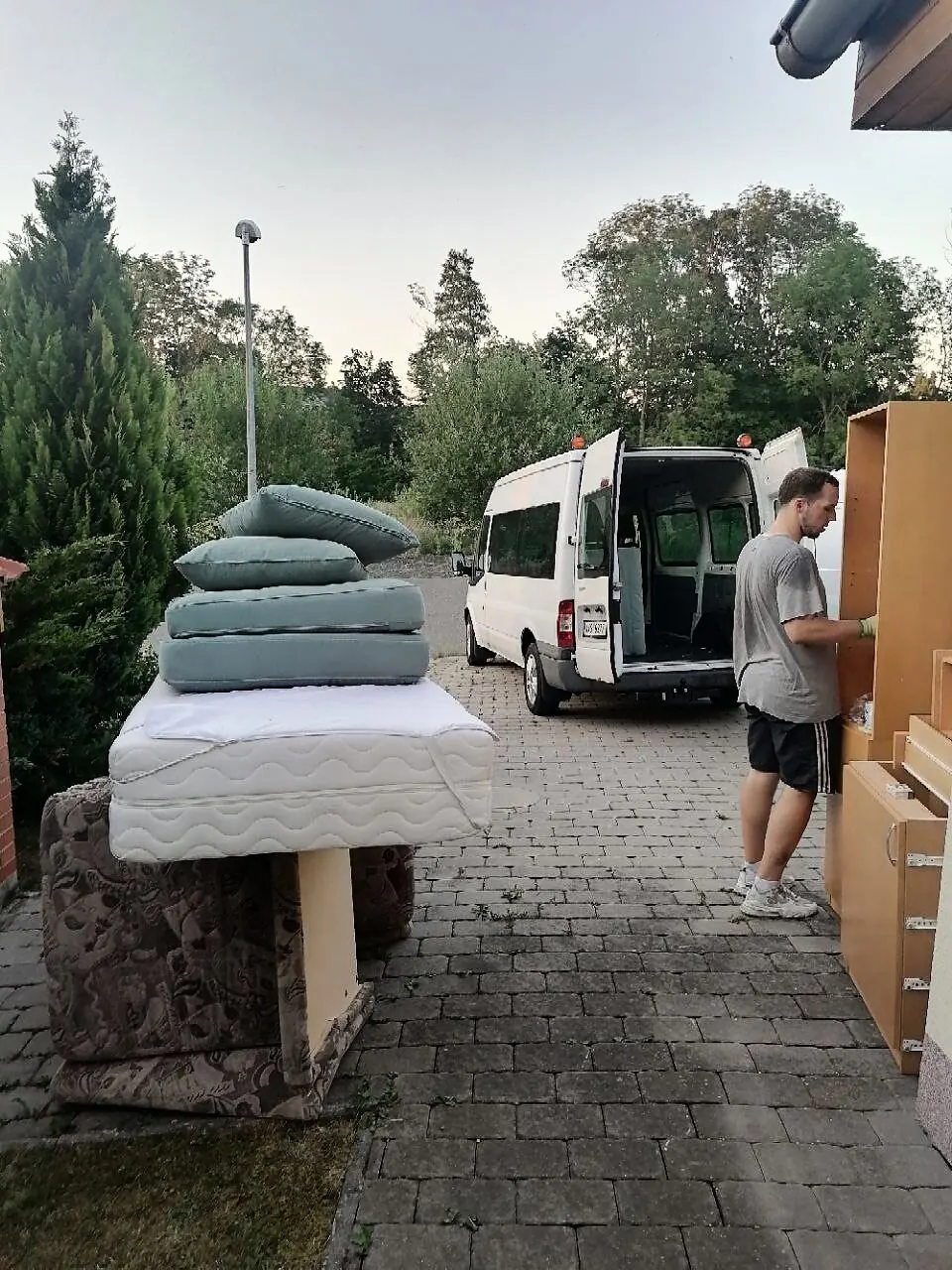
Empty wardrobes, secure doors and remove loose shelves. Disconnect appliances and prepare them according to the manufacturer’s instructions. If furniture needs dismantling, agree who will do it and keep fittings with the correct parts.
06Clear the route from the home to the van
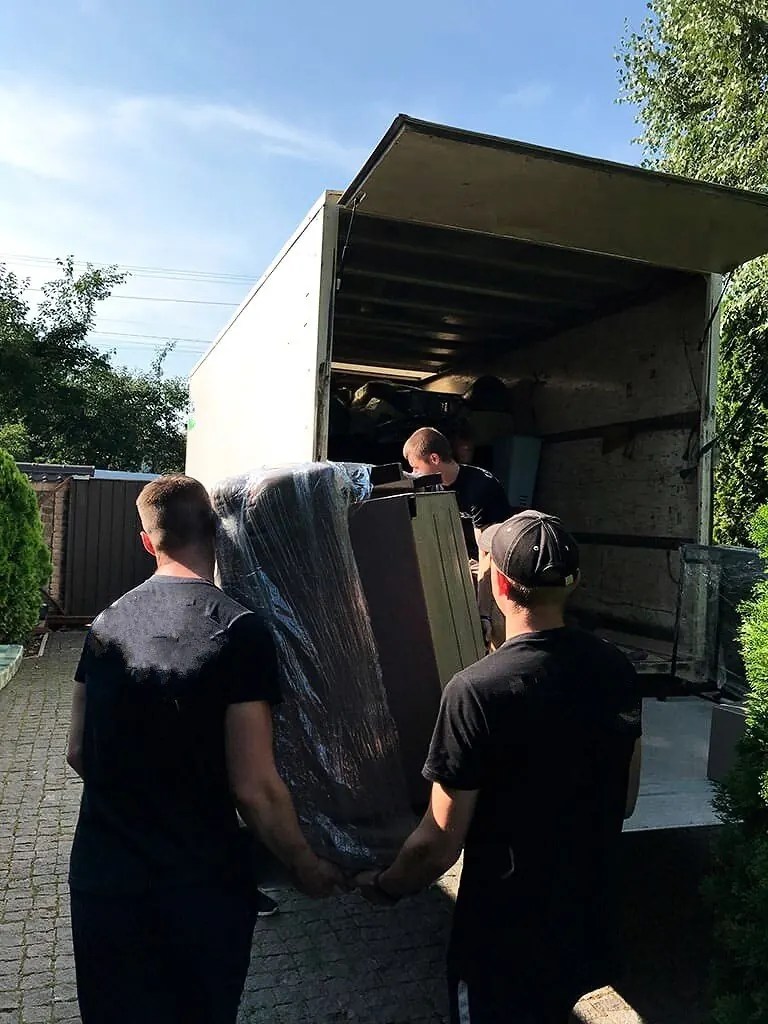
Remove shoes, plants and other obstacles, check door and lift access and have keys ready. Identify a legal short-stay position as close to the entrance as possible and tell the carrier about gates or access restrictions.
07Separate items that must not be loaded
Keep documents, keys, medicines, valuables, chargers, basic toiletries and first-night items in a separate bag. Clearly mark anything that must remain at the original address.
Frequently asked questions
What should be ready when the movers arrive?
Small belongings should be in closed boxes, access routes clear and all large items included in the booking details. Confirm floors, lift access and building entry as well.
What is the best way to label moving boxes?
Write the destination room and clearly mark fragile or heavy contents. Put the label on the top and one side so it remains visible when boxes are stacked.
What if the size of the move changes?
Send the updated box count, photos of added items and any access changes as early as possible. The vehicle, crew and quotation can then be checked again.